


A home is culture, connection, and story
Akiya x Musubi
Our Purpose
Revitalizing heritage, connecting communities.
AKIYAxMUSUBI is a revitalization service that connects vacant homes with “lifestyle” and “community.”
Whether you live overseas or in Japan, we support foreign property investments overseas, including purchasing and renovation of Japanese homes and vacation rentals.
Our specialized team guides you through every step, removing the hassle of complex procedures and language barriers.
Foreign Property Support
Comprehensive legal and administrative guidance tailored for international buyers navigating Japanese real estate laws and lending.
In-House Construction
Fully licensed master carpenters and architects who specialize in preserving traditional aesthetics while upgrading to modern comfort.
Specialized Multilingual Team
Total support in English, Japanese, and Chinese, ensuring transparent communication across every phase of your journey.
About AKIYA
Understanding Vacant Homes in Japan
What is Akiya?
Akiya directly translates to "empty house." These are residential properties, often traditional structures in rural or suburban areas, left vacant due to changing demographics and urbanization.
Why the Increase?
Japan's ageing population and the younger generation's migration to major cities like Tokyo and Osaka have resulted in millions of homes being abandoned. In some rural areas, one in every five homes is empty.
The Global Appeal
Overseas investors and cultural enthusiasts are drawn to the exceptional craftsmanship, historical significance, and affordable entry points these properties offer, turning global real estate dreams into reality.
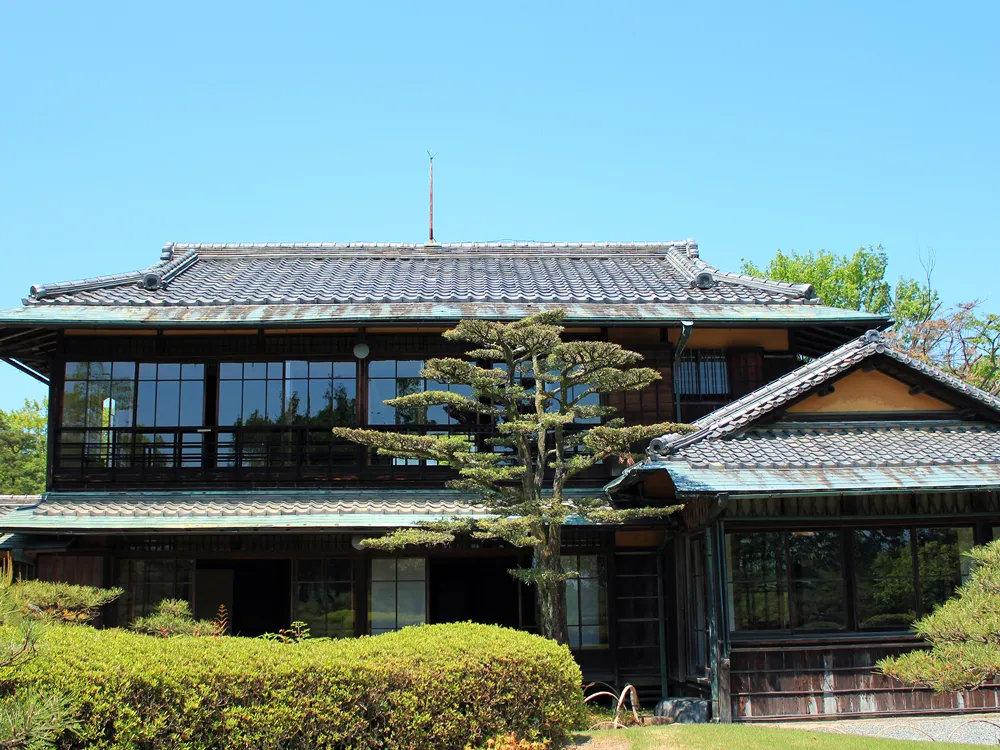
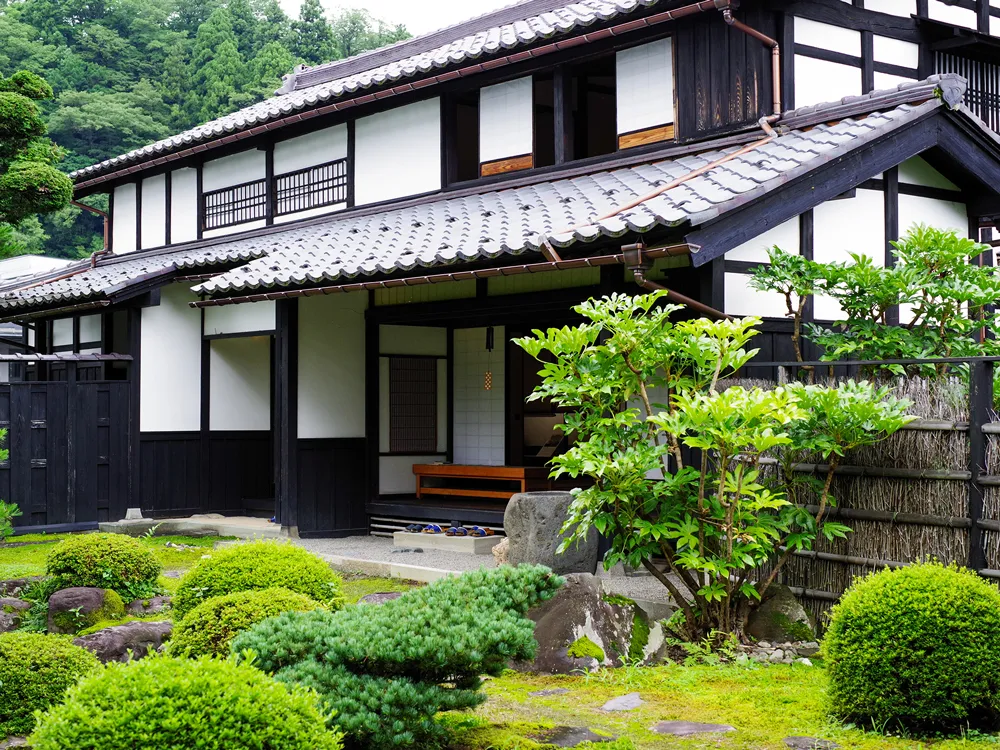
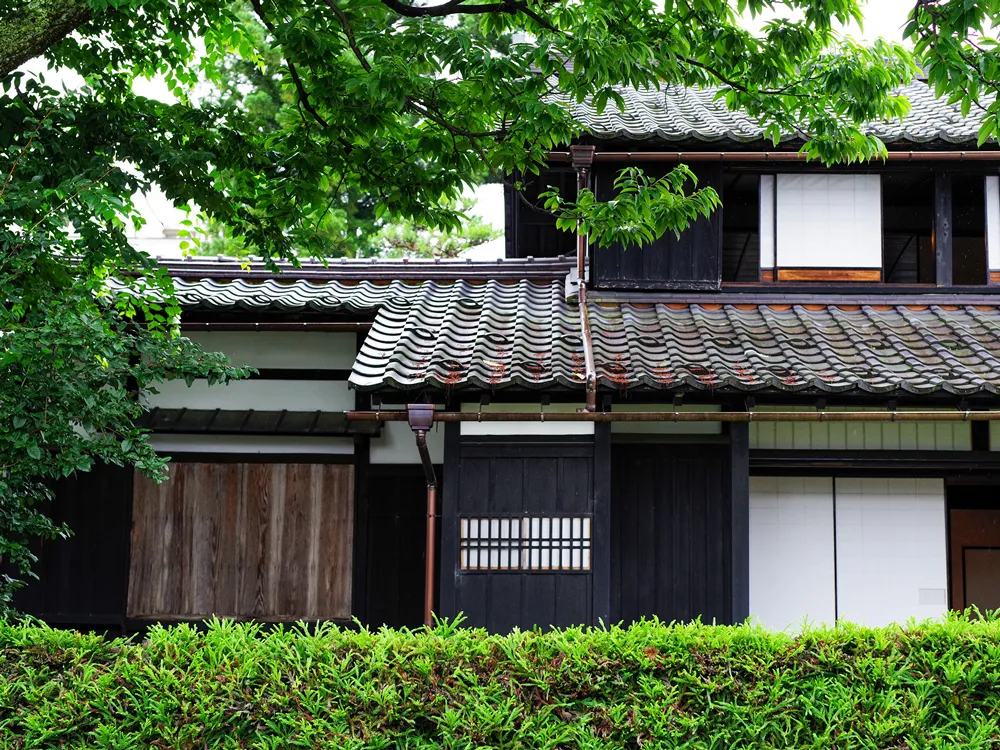
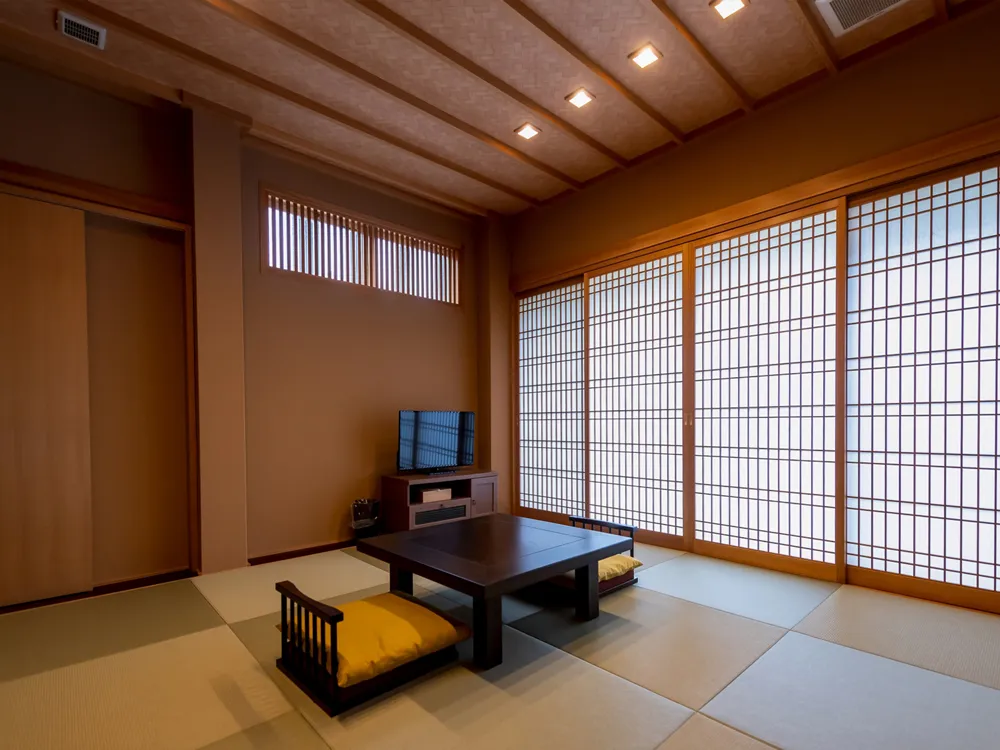
What is an Empty House?
According to the Act on Special Measures Concerning Vacant Houses established by the Ministry of Land, Infrastructure, Transport and Tourism, an “empty house” is defined as a building unoccupied or used for the purpose of residence, and its site, that has not been used for residential or other purposes on a continuous basis for more than one year.
This definition comes from a rich point of intersection of traditionally maintained kominka traditional folk houses and machiya townhouses to post-war concrete and suburban builds, representing unique challenges and extraordinary opportunities for structural preservation and adaptive reuse.
About Musubi
Musubi in Shinto
In traditional Japanese Shinto belief, Musubi (結び) is the foundational power creation and connects all things in the universe. It represents the vital energy of birth, accomplishment, and the invisible threads that bind existence together. It is a philosophy that sees spirit and purpose in everything, including the timber and earth used to build a home.
Cultural Significance
Beyond religion, Musubi is woven into daily Japanese culture. It is found in the tying of obi (kimono sashes), the knotting of mizuhiki (ceremonial cords), and the forging of deep human relationships. It symbolizes the gathering of disparate elements to create something stronger, more beautiful, and enduring than its individual parts.
Akiya x Musubi Connection
We adopted this name because our work is an act of connection. We tie the historic past of an abandoned house to its desired future. We bridge the cultural divide between Japan and the rest of the world. By finding the right owner for the right property, we forge a new Musubi — a lasting bond between person, place, and community.